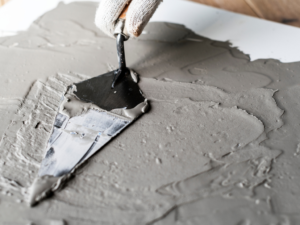

Modern interior design asks for nothing less than stylish material, durable, and practical; hence, micro concrete has gained popularity very fast in wet areas such as kitchens and bathrooms due to its seamless finish, water resistance, and modern appeal. In this blog, we will try to find out if the micro concrete is suitable for wet areas, what their benefits and installation processes are, some maintenance tips, and how it compares with traditional materials like tiles.
What is micro concrete?
Micro concrete is a cement-based coating mixed with fine aggregates, polymers, and resins. It is applied in very thin layers and usually attains thicknesses of 2–3 mm. Because of this, it is appropriate for new construction and building renovations. Unlike traditional concrete, micro concrete does not need to make major changes in the structure and can be laid over tiles, screed, or plaster.
Is Micro Concrete Applicable for Wet Areas?
Yes, micro concrete is highly suitable for wet areas when applied and sealed correctly. Though micro concrete itself is not fully waterproof, the sealing system applied onto it makes it resistant to water and provides a very good basis for kitchens, bathrooms, and shower areas. Sealing should be done correctly in order to prevent moisture penetration and long-term damage.
Advantage of Micro Concrete in Kitchens and Bathrooms
The advantages of micro concrete are a number, and these make it perfect for wet areas:
- Seamless finish: No grout lines thereby reducing mold and mildew growth.
- Modern aesthetic: clean, minimalist, and industrial-style appeal
- Durability: resistant to daily wear and moisture.
- Easy to maintain: it needs simply to be cleaned with mild detergents.
- Versatility: Can be used on floors, walls, countertops, and backsplashes
- Underfloor heating compatibility: Compatible with heated floors
Micro Concrete for Kitchens
Micro concrete has applications in kitchens on the floor, on walls, on countertops, and on backsplashes. The smooth, seamless surface created with micro concrete is both hygienic and easily cleaned, which makes it ideal for food preparation areas.
When properly sealed, micro concrete resists stains, spills, and even moderate heat. Available in an enormous array of colors and finishes, micro concrete can be applied to create everything from a soft neutral look all the way to a bold industrial style.
Micro Concrete for Bathrooms
Bathroom areas definitely benefit from micro concrete, as it is water-resistant and seamless, thus perfect for that particular use. It can be applied on the floor, walls, vanity units, and even inside the shower areas.
Bathroom floors could also be treated with anti-slip additives or textured finishes for added safety. Good sealing will prevent mold growth and protect the surface from continued moisture exposure.
Maintenance and Care Tips
Maintenance of micro concrete in kitchens and bathrooms is easy:
- Clean regularly with mild soap and water
- Stay away from caustic chemicals and/or harsh cleaners
- Clean up spills immediately
- Re-sealing of the surface in few years according to the usage
If properly cared for, micro concrete will be aesthetically pleasing for many years.
Common Problems and How to Avoid Them
Some common issues include: drying cracks, water seepage, and slippery surfaces. These are commonly a consequence of improper surface preparation, application, and sealing techniques.
Even the best design can fail if experienced people are not employed or if materials are not of the highest standard.
Micro Concrete and Tiles in Wet Zones
tiles, micro concrete tiles have the advantage of being grout-free, thus seamless and modern. tiles may be individually replaced, but micro concrete tiles require less maintenance, as grout does not need cleaning.
The initial investment for micro concrete can be high, but the longevity, appearance, and low maintenance needs associated with micro concrete can add up to a higher return on investment.
Design ideas & finish options
Micro concrete finish examples include satin finishes and matte finishes. For kitchen and bathroom remodeling, shades such as grey, beige, or off-white are preferably used for micro concrete finishes.
It pairs perfectly with minimalist, modern, and industrial interior design styles.
Conclusion
Micro concrete is a highly suitable material for kitchens and bathroom interiors, providing a seamless appearance, durability, and easy maintenance. Nevertheless, it is highly dependent on professional application and water-sealing for its wet area performance. If applied and done correctly, micro concrete is a fashionable and durable material for modern interiors.