Plain walls can sometimes make a room feel incomplete, even when the furniture and décor are carefully chosen. Texture paint offers a way to add depth, character and visual interest to your interiors without depending only on colours or decorative items.
However, choosing the best texture paint for your home is not just about selecting an attractive design. The right finish depends on your interior style, lighting, wall condition and the overall look you want to achieve. A texture that looks beautiful in a sample may appear very different when applied across an entire wall.
Whether you are planning a living room feature wall, a bright bedroom finish or a distinctive wall for your entrance, understanding your options can help you make a better decision.
What Is Texture Paint?
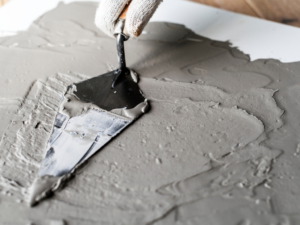
Texture paint is a decorative wall finish that creates a visible pattern, surface effect or tactile appearance. Unlike regular wall paint, which generally creates a smooth finish, texture paint can make walls look like natural stone, concrete, plaster or other decorative surfaces.
It is suitable for modern apartments, luxury homes, offices and other interior spaces where the walls are intended to contribute to the overall design.
Depending on the style, texture paint can create a subtle, natural appearance or a bold feature wall. The key is to choose a finish that complements the room rather than competing with the rest of the interior.
Types of Texture Paint for Home Interiors
Before choosing a design, it helps to understand some popular wall texture finishes.
1. Limewash Texture
Limewash-inspired finishes create a soft, naturally varied appearance. Their gentle tonal differences can add warmth and character to bedrooms, living rooms and relaxed contemporary spaces.
They are a good choice for homeowners who prefer a natural look instead of a highly patterned wall.
2. Concrete Texture
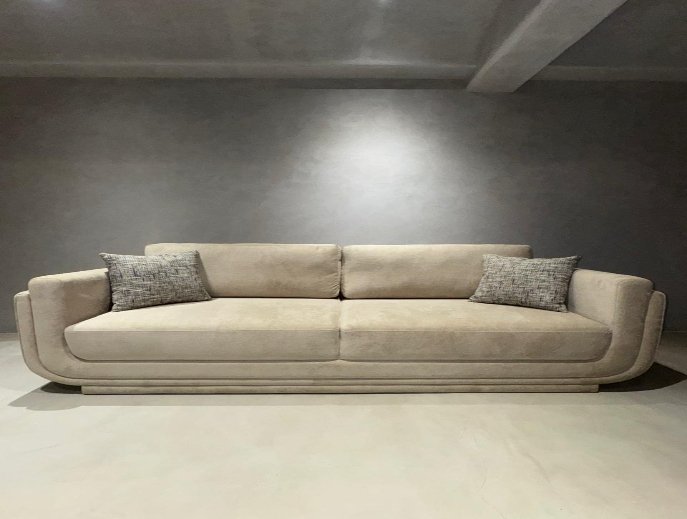
Concrete texture is popular in contemporary and industrial-style interiors. It creates a cement-like appearance that works well with neutral colours, wooden furniture, metal accents and minimalist décor.
It is particularly suitable for living rooms, entertainment areas and statement walls.
3. Stucco Texture
Stucco finishes offer a decorative plaster-like appearance with depth and variation. Depending on the finish, they can look soft and understated or rich and detailed.
They work well in interiors that combine modern design with a more luxurious or classic feel.
4. Stone coats and Decorative Textures
Stone coats-inspired finishes and other decorative wall textures can create a distinctive focal point. They may suit entrance areas, feature walls and selected spaces where the wall design needs to stand out.
The final appearance depends on the chosen finish, lighting and surrounding materials.
Factors to Consider When Choosing the Best Texture Paint
1. Consider the Size of the Room
The scale and visibility of a texture can influence how a room feels. Heavy patterns may become visually overwhelming in a small space, especially when used across several walls.
In compact rooms, a softer texture or a single feature wall can create interest without making the interior feel too busy. Larger rooms may offer more flexibility for specific decorative finishes.
2. Match the Texture to Your Interior Style
Start by considering your existing furniture, flooring, lighting and décor.
For a minimalist home, subtle concrete or limewash-inspired finishes may work well. For a more expressive interior, a decorative stucco or stone coats effect may be more suitable.
Avoid selecting a texture only because it looks attractive in a photograph. It should feel consistent with the rest of your home.
3. Check the Condition of Your Walls
The existing wall condition is an important factor that homeowners sometimes overlook. Cracks, uneven surfaces, peeling paint and moisture-related damage can affect the appearance and performance of a decorative finish.
Texture paint should not be treated as a solution for every wall defect. The underlying issue may need professional assessment before a new finish is considered.
4. Understand the Role of Lighting
Lighting can significantly affect the appearance of texture paint. Natural light, ceiling lights and wall lights may highlight different parts of the surface.
Some finishes show more depth under side lighting, while others appear softer in evenly little spaces. Consider the room’s lighting conditions before making your final selection.
5. Think About Maintenance
Different finishes can have different cleaning and maintenance requirements. Highly detailed or pronounced surfaces may collect dust differently from smoother finishes.
Before choosing a design, consider how frequently the wall will be touched, whether children or pets use the space and how easy the finish will be to maintain.
Common Mistakes to Avoid When Choosing Texture Paint
One common mistake is selecting a finish based only on a small photograph or sample. Texture, colour and depth can look different across a larger wall.
Another mistake is applying a strong texture to every wall. This can make an interior feel crowded and reduce the visual impact of individual design elements.
Ignoring wall preparation is also a concern. Poorly prepared surfaces, unresolved dampness and existing paint problems can affect the final result.
Finally, choosing a finish without considering lighting, furniture and the room’s purpose may lead to a result that does not match your expectations.
How Painting Drive Can Help You Choose the Right Texture Paint
Choosing the right wall texture involves more than picking a colour or pattern. It requires considering the room’s style, surface condition, lighting and the finish you want to achieve.
From concrete-inspired walls and stucco finishes to limewash-inspired looks and other decorative textures, Painting Drive can help you identify suitable options for your space.
Professional surface preparation and appropriate finish selection are also important parts of achieving a consistent result. If you are unsure which texture will work best for your walls, seeking professional guidance before starting the project can help you avoid unsuitable choices.
Painting Drive serves customers across India, helping homeowners and interior enthusiasts plan their painting and decorative wall finish requirements.
Tips for Choosing right Texture Paint
- Choose a texture that complements your furniture, flooring and interior style.
- Consider the room’s natural and artificial lighting.
- Assess the existing wall condition before selecting a decorative finish.
- Ask to review a representative sample before finalising the design.
- Understand the finish’s maintenance requirements.
- Seek professional advice if the wall has cracks, peeling paint or signs of moisture.
These considerations can help you select a finish that looks appropriate for your space and meets your practical needs.
Final thought
Choosing the best texture paint for your home interiors starts with understanding your space, design preferences, lighting and wall condition. The right finish can add character and personality while complementing your furniture and overall interior design.
Taking time to compare suitable finishes and seeking professional advice can help you avoid common mistakes and achieve a result that matches your expectations.
Planning a new wall texture for your home? Contact Painting Drive for guidance on decorative wall finishes and professional texture painting services tailored to your requirements.